


 Call Sales
 Directions
Connect with us!
Categories
Everything New Owners Should Know about Nissan EVs [2026]
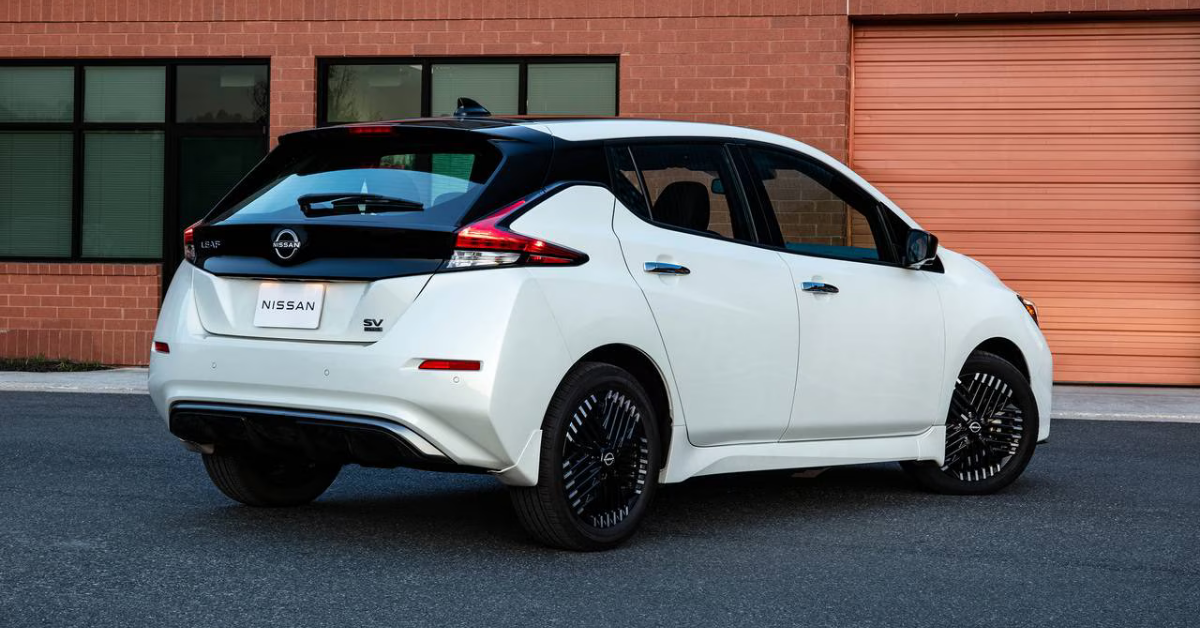
Owning a Nissan electric vehicle in 2026 means understanding charging options, real-world driving range, battery care, maintenance differences, and everyday costs—especially for first-time EV owners. From home and public charging to seasonal range tips and long-term battery health, Nissan EV ownership is designed to be simpler, quieter, and more efficient than driving a traditional gas vehicle. Nissan models like the Nissan LEAF EV and Ariya EV combine advanced electric technology with practical features that support daily driving, commuting, and longer trips with confidence.
At M’Lady Nissan, we proudly serve drivers throughout Chicago, Aurora, Naperville, and Rockford with expert guidance on Nissan electric vehicles and complete dealership support. Whether you’re shopping for a new Nissan EV, scheduling service, ordering genuine Nissan parts, or looking for help with charging and ownership questions, our team is here to assist every step of the way. Visit us or contact M’Lady Nissan today to speak with our knowledgeable staff or to learn more about Nissan EV ownership in 2026.
How Does Charging a Nissan EV Work for New Owners?
Charging a Nissan EV is easier than many new Nissan electric vehicle owners expect. Understanding how to charge your EV is key to enjoying smooth daily drives. Most first-time EV owners find that learning the basics first saves time and reduces stress. Charging falls into two main categories:
- Home charging – Using a standard outlet or a Level 2 home charger is best for overnight top-ups.
- Public charging – Fast chargers are ideal for longer trips or quick stops during busy days.
Knowing how charging works helps new Nissan EV owners plan trips in Chicago, Aurora, Naperville, and Rockford. Proper charging habits can also extend battery life and improve overall efficiency. Even Nissan Ariya EV drivers, though fewer in numbers, benefit from these simple steps to keep their EV ready. Daily driving with an EV is predictable once charging becomes routine. Plug in overnight, check battery levels, and plan longer trips around public stations. With a little planning, owning an EV is just as convenient as owning a gas car.
What Are the Different Ways to Charge a Nissan LEAF EV or Ariya EV?
Charging a Nissan EV can be simple once you know your options. Nissan EV tips for beginners often start with understanding the three main charging levels. Each level fits different needs, from daily drives to long trips. Both Leaf EV and Ariya EV owners can use these methods to plan their routine efficiently.
- Level 1 charging – Uses a standard 120-volt household outlet. Best for overnight top-ups or low-mileage days.
- Level 2 charging – Requires a 240-volt charger. Charges much faster and is ideal for daily use.
- DC fast charging – Available at public stations. Can take your battery from low to 80% in under an hour, perfect for trips or emergencies.
Knowing these options helps new Nissan electric vehicle owners plan their drives in Chicago, Aurora, Naperville, and Rockford. Nissan Ariya owner information shows even larger EVs benefit from smart charging routines. Using the right charger at the right time keeps the battery healthy and the vehicle ready to go. Following simple charging habits makes daily driving smooth and stress-free. Schedule home charging when electricity is cheaper. Use public fast chargers only when needed. With these steps, LEAF EV and Ariya EV ownership feels simple for first-time EV drivers.
Where Can Nissan EV Owners Find Public Charging Near Chicago?
Public charging is a key part of EV ownership, especially for trips beyond daily driving. Both Nissan LEAF new owner guide tips and Ariya EV information stress knowing nearby stations. Using public chargers is easy once you understand networks and port compatibility.
- Charging networks – Most EVs, including LEAF EV and Ariya EV, work with networks like ChargePoint, Electrify America, and EVgo.
- Suburban availability – Aurora, Naperville, and Rockford have growing numbers of fast chargers for longer trips.
- Port compatibility – LEAF EVs use J1772 and DC fast ports; some Ariya EVs may need adapters.
- Simplified charging – Nissan’s MyNISSAN app helps locate stations, shows availability, and even guides plug-in options.
Checking public chargers before a trip makes drives worry-free. Many stations now include fast charging, letting drivers continue trips with minimal downtime. Following these tips keeps your EV ready and reduces stress for first-time drivers. With this knowledge, new Nissan electric vehicle owners can drive around Chicago and surrounding cities confidently. Planning stops ahead ensures the battery stays healthy and trips remain smooth.
How Far Can You Drive on a Charge in a Nissan EV?
Range is one of the first things new Nissan EV owners want to know. Proper Nissan EV battery care helps maintain range and performance over time. Both Nissan LEAF EV drivers and Ariya EV owners can use simple habits to get the most from each charge.
- Real-world range tips – Your driving style, weather, and use of climate control all affect how far you can go.
- EPA vs. daily driving – EPA estimates show maximum range. Actual miles may be lower in stop-and-go traffic.
- Highway impacts – High speeds and heavy traffic reduce efficiency and overall range.
- Trip planning – For commuting or weekend trips, know where chargers are along your route.
Good range planning helps prevent surprises and keeps trips stress-free. Regularly checking battery levels and practicing smart driving can make a LEAF EV or Ariya EV last longer between charges. Following these tips also supports long-term Nissan electric car maintenance.
What Affects Driving Range in Illinois Weather?
Illinois winters can impact how far a Nissan EV will go on a charge. First-time EV owner Nissan tips show that cold temperatures reduce battery efficiency. Both LEAF EV and Ariya EV drivers will notice shorter ranges in freezing weather. Nissan electric vehicle features, like cabin preconditioning, help offset some of these effects.
- Cold-weather range changes – Low temperatures slow battery chemical reactions, which can cut range by 20% or more.
- Winter driving considerations – Using heat, defrost, or running the AC lowers efficiency. Stop-and-go traffic also reduces range.
- Preconditioning – Warming the cabin and battery while plugged in preserves miles and reduces energy use while driving.
- Seasonal habits – Plan trips, monitor battery levels, and use regenerative braking to stretch range during winter months.
With these habits, EV drivers in Chicago, Aurora, Naperville, and Rockford can drive with confidence. Small adjustments in winter can make daily driving smoother and more predictable.
What Maintenance Does a Nissan Electric Vehicle Require?
Knowing what to know about owning a Nissan EV helps new drivers plan their care routine. Nissan electric vehicle beginner guide 2026 tips show that EVs need less upkeep than gas cars. Both LEAF EV and Ariya EV owners benefit from simple maintenance steps.
- EV vs. gas maintenance – No oil changes, spark plugs, or exhaust work are needed. This saves time and money.
- Services still needed – Tire rotations, brake checks, and cabin air filters remain important for safe driving.
- Software updates – Nissan releases updates that improve performance, efficiency, and safety. These are simple to install.
- Simplicity for local drivers – Chicago, Aurora, Naperville, and Rockford EV owners enjoy fewer routine trips to the shop.
With proper care, EV ownership stays easy and predictable. Following basic maintenance steps helps your LEAF EV or Ariya EV last longer and perform at its best.
How Much Does Nissan EV Ownership Cost Compared to Gas Vehicles?
Owning a Nissan EV can save money compared to a gas vehicle. Understanding charging costs, maintenance, and daily driving habits helps first-time owners plan. Both LEAF EV and Ariya EV drivers see benefits over time.
- Charging vs. fuel costs – Electricity is generally cheaper than gasoline. Charging at home costs less than using public fast chargers often.
- Home charging tips – Learning how to charge the Nissan Ariya at home efficiently keeps bills low and battery ready.
- Maintenance savings – EVs require fewer services, which cuts long-term costs compared to gas cars.
- Long-term planning – Using Nissan EV range and battery tips can reduce energy use and extend battery life.
City and suburban drivers, including those in Chicago, Aurora, Naperville, and Rockford, often find EVs easier and cheaper to operate. Over time, lower energy and maintenance costs make LEAF EV and Ariya EV ownership practical and smart.
What Features Make Nissan EVs Easier for First-Time Owners?
Nissan EVs are designed to be simple and stress-free for first-time drivers. Understanding key features can make daily driving smooth. Both LEAF EV and Ariya EV models include tools that reduce the learning curve for new owners.
- Easy-to-use features – Touchscreen displays, navigation, and driver assistance help beginners feel confident on the road.
- Regenerative braking and modes – ECO and B-mode assist with braking and energy recovery, making driving more efficient.
- Quiet and smooth performance – Instant torque and a calm cabin provide a comfortable, controlled ride.
- Beginner-friendly design – LEAF EV and Ariya EV offer simple controls, clear displays, and supportive safety features.
These features help new EV owners focus on driving rather than worrying about range or charging. Combined with lower Nissan electric car ownership costs, these benefits make EV ownership practical and enjoyable. Many new Nissan EV owners have questions about charging, range, and maintenance. Knowing the answers helps you plan daily drives and long trips with confidence.
What Should New Nissan EV Owners Do First After Buying?
Starting off right helps new Nissan EV owners get the most from their vehicle. Both LEAF EV and Ariya EV drivers benefit from simple setup steps. These steps build confidence and make daily driving easier.
- Set up your account – Register your Nissan EV and link it to the MyNISSAN App for updates, support, and charging info.
- Learn charging routines – Decide when and where you will charge at home and on public chargers.
- Familiarize with controls – Explore driving modes, regenerative braking, and comfort settings to make each drive smoother.
By following these first steps, new EV owners can drive with less stress and more ease. Proper setup ensures LEAF EV and Ariya EV drivers enjoy every mile while protecting battery health.
Frequently Asked Questions About Nissan EV Ownership
How far can a Nissan EV travel on a single charge?
A 2026 Nissan LEAF EV can travel up to about 303 miles on a full charge, depending on the trim and driving conditions.
How long does it take to charge a Nissan EV at home?
Charging with a standard Level 1 outlet can take overnight or longer. Level 2 chargers typically take 6–8 hours for a full charge, depending on battery size.
What type of home charger do I need for my Nissan EV?
A Level 2 home charger (240V) is recommended for faster daily charging. Level 1 (120V) works for slow, overnight charging.
Can I install a Level 2 charger in my apartment or condo?
Installation is possible, but you need approval from building management and an electrician to connect a 240V outlet.
How much does it cost to maintain a Nissan EV compared to a gas car?
Maintenance costs are generally lower than a gas vehicle because EVs have no oil changes, spark plugs, or exhaust system work. Only tires, brakes, and occasional software updates are needed.
Can I charge my Nissan EV at Tesla charging stations?
Some Nissan EVs, like the 2026 LEAF, can use Tesla Superchargers in the U.S. with the NACS adapter. Local compatibility may vary.
What is e-Pedal technology in Nissan EVs?
e-Pedal allows you to accelerate and brake with a single pedal. Lifting off the pedal slows the car and recovers energy to the battery.
How does cold weather affect Nissan EV range?
Cold temperatures reduce battery efficiency and range by up to 20%. Using preconditioning while plugged in can help maintain range.
How often does a Nissan EV need service or maintenance?
Routine service is minimal. Tire rotations, brake checks, and software updates are recommended, but full maintenance visits are less frequent than gas cars.
Learn More and Visit M’Lady Nissan
If you’re ready to take the next step, M’Lady Nissan invites drivers from Chicago, Aurora, Naperville, and Rockford to explore our wide selection of vehicles. From the LEAF EV to the Ariya EV, our team is ready to help you find the right Nissan for your needs.
You can also continue learning smart ways to care for your vehicle, like following our save fuel tips, understanding all-wheel drive benefits, or comparing flat towing options. Each guide helps you drive smarter, safer, and with more confidence.
Our staff is here to assist with sales, service, parts, or any questions about Nissan EV ownership. Contact M’Lady Nissan today to schedule a visit or talk with a team member. Let us help you get the most from your Nissan EV.
Get Directions to M’Lady Nissan
Disclaimer: All information is provided for general informational and entertainment purposes only. While we strive for accuracy, we cannot guarantee that all content is complete, current, or error-free. Any reliance you place on such information is strictly at your own risk. This article may include opinions and is not endorsed by, or officially affiliated with, any vehicle manufacturer or brand. Always consult official sources – such as the vehicle’s owner’s manual, authorized dealerships, or certified professionals – for the most up-to-date and personalized information.